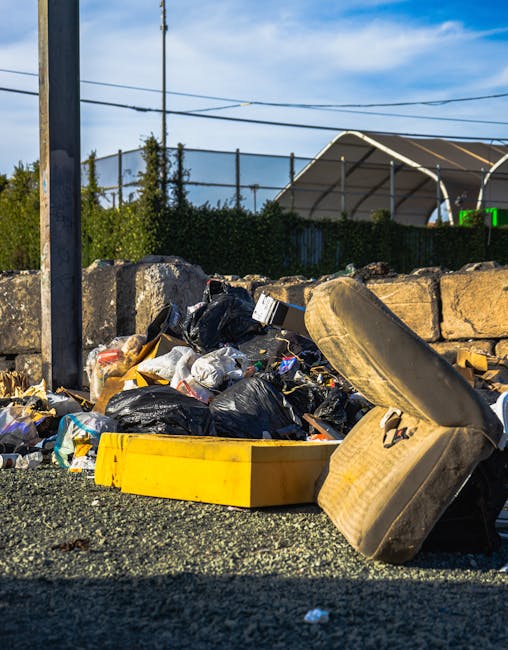
Rubbish removal near Mill Hill East station for local businesses
If you run a shop, office, cafe, salon, studio, small workshop, or managed property near Mill Hill East station, rubbish has a habit of getting in the way at the worst possible moment. One day it is a few cardboard boxes and broken fixtures; the next, it is a back room you can barely walk through. Rubbish removal near Mill Hill East station for local businesses is not just about tidying up. It is about keeping your premises workable, your staff safe, and your customer experience sharp.
In a busy London setting, waste can build up quickly. Deliveries come in. Packaging piles up. Old furniture gets replaced. Renovations create dust and debris. And if you wait too long, the small mess becomes a real operational headache. This guide breaks down how business rubbish removal works, what to watch for, and how to choose a practical approach that saves time without cutting corners.
- Quick takeaway: fast, organised waste clearance helps businesses stay open, safe, and presentable.
- Best for: shops, offices, landlords, hospitality venues, and any local business with recurring or one-off waste.
- Good next step: compare service scope, access, timing, and disposal standards before booking.
Table of Contents
- Why it matters for local businesses
- How the process works
- Key benefits and practical advantages
- Who this is for and when it makes sense
- Step-by-step guidance
- Expert tips for better results
- Common mistakes to avoid
- Tools, resources and recommendations
- Law, compliance, standards, or best practice
- Options, methods, or comparison table
- Case study or real-world example
- Practical checklist
- Conclusion
- Frequently asked questions
Why Rubbish removal near Mill Hill East station for local businesses Matters
Local businesses near a station deal with a different kind of pressure. Space is tight, access can be awkward, and footfall means you cannot always leave waste sitting around for "later". Let's face it, a pile of broken shelving by the entrance or a corridor full of packaging does not exactly say "professional". It says chaotic.
For businesses in and around Mill Hill East, regular rubbish removal supports more than housekeeping. It helps with:
- Health and safety: loose waste, sharp objects, and blocked walkways increase trip and injury risks.
- Customer impression: clean premises feel more trustworthy and better run.
- Operational flow: staff can get on with actual work instead of moving bags and boxes around.
- Space management: storage rooms, basements, stock areas, and back offices stay usable.
- Speed of change: when you are fitting out, moving, or refreshing your premises, waste clearance keeps the project moving.
There is also a simple truth that often gets missed: waste is rarely "just waste". It can include confidential paperwork, electrical items, fixtures, old furniture, and mixed materials that need sorting before disposal. A decent rubbish removal process keeps those categories from turning into one big, expensive muddle.
Expert summary: The best waste plan for a local business is usually the one that fits access, timing, and compliance first, not the one that simply looks cheapest on paper.
How Rubbish removal near Mill Hill East station for local businesses Works
Most business rubbish removal jobs follow a straightforward pattern, though the exact method depends on the building, the volume of waste, and what type of material needs taking away. The process should feel organised, not rushed.
1. Initial assessment
You explain what needs removing, where it is stored, and how urgent it is. For example, a cafe might need old fridges, cardboard, and damaged tables cleared before opening hours, while an office might need archived files, desks, and packaging removed after a refit.
2. Access planning
Near a station, access matters. A service may need to factor in loading restrictions, narrow entrances, stairwells, lifts, shared corridors, and the time of day. If you have ever tried to get a bulky filing cabinet through a tight doorway at 8:15 on a weekday, you will know why this matters.
3. Waste separation
Good clearance teams sort waste sensibly. Reusable items, recyclable materials, electricals, and general rubbish should not all be thrown together unless there is a specific reason. If items such as appliances or confidential documents are involved, they often need a separate handling plan.
4. Removal and loading
Collected waste is loaded safely, with attention to safe lifting and building protection. That includes avoiding scuffed floors, damaged walls, and awkward blockages in shared access areas.
5. Responsible disposal
The final stage should involve lawful, traceable disposal routes. In practical terms, that means the rubbish is not just "gone"; it has been handled in line with accepted business waste practice. For businesses, that is a very important distinction.
If you need a broader service for mixed waste types, it may help to look at business waste removal alongside general waste removal so the scope matches what you actually need cleared.
Key Benefits and Practical Advantages
For local businesses, rubbish removal is one of those behind-the-scenes services that quietly improves almost everything else. You do not always notice it when it is working well. You definitely notice it when it is not.
Cleaner working environment
A tidy back office, stockroom, or service area makes day-to-day work easier. Staff waste less time stepping around clutter or looking for items buried under packaging.
Better use of space
Many small businesses near Mill Hill East have limited storage. Clearing unwanted items can free up a surprising amount of space. Sometimes it is enough to turn a cramped room into a usable one again. That can feel like a minor miracle on a Monday morning.
Reduced risk
Removing damaged fittings, broken furniture, and loose rubbish reduces the chance of trips, slips, and avoidable injuries. It also helps keep emergency routes clear, which is something business owners should never treat casually.
More flexible operations
When rubbish is cleared quickly, you can carry out refurbishments, stock changes, maintenance, or office reconfigurations without the whole place grinding to a halt.
Less stress for staff
People work better in orderly spaces. Not perfectly spotless, just orderly. The difference is real, even if it sounds a bit obvious.
Improved sustainability outcomes
Responsible removal supports recycling and reuse where possible. If your business is trying to be more careful with waste, services that explain how items are sorted and handled can make that easier to manage. For more on this side of things, see recycling and sustainability.
Who This Is For and When It Makes Sense
Rubbish removal near Mill Hill East station is useful for a wider range of businesses than people often assume. It is not only for big refurbishments or heavy commercial clear-outs. Sometimes it is the small, recurring mess that makes the biggest difference.
Common business types that benefit
- Retail shops: packaging, broken display units, old stockroom items, and seasonal waste.
- Cafes and food businesses: damaged appliances, furniture, storage clutter, and non-food refuse.
- Offices: desks, chairs, paper waste, archive clearances, and equipment upgrades.
- Landlords and property managers: tenant left-behinds, furniture, and end-of-lease rubbish.
- Trades and builders: renovation waste, timber, plasterboard, and mixed debris.
- Clinics and professional practices: outdated furniture, fit-out waste, and confidential materials handled appropriately.
When it makes sense to book
It is worth arranging rubbish removal when:
- you are preparing for an inspection, audit, or client visit
- you are moving premises or reshuffling a team area
- old equipment is blocking useful storage
- a renovation has left dust, rubble, and packaging everywhere
- you need a fast reset after a busy trading period
- your own staff are spending too much time dealing with waste
For furniture-heavy jobs, you may also find office clearance, furniture disposal, or furniture clearance useful depending on what needs to go.
Step-by-Step Guidance
If you want the process to go smoothly, a little preparation goes a long way. You do not need to make it perfect. Just organised enough that the crew can do their job without guesswork.
- List what needs removing. Be specific. "Old office stuff" is vague; "six desks, three chairs, a broken printer, and eight bags of mixed waste" is useful.
- Separate anything sensitive or restricted. Confidential paperwork, electricals, and potentially hazardous items should be identified early.
- Check access routes. Note stairs, lifts, parking limitations, doorway widths, and any time restrictions.
- Decide what stays. This sounds simple, but it avoids awkward confusion later. Put a marker on anything borderline.
- Ask about disposal routes. A reputable service should be clear about reuse, recycling, and lawful disposal.
- Book a time that suits the business. Early morning, after close, or during quieter trading hours can reduce disruption.
- Clear staff instructions in advance. One person should know what is going, what is staying, and who can answer questions.
If the job involves building debris or a fit-out, look at builders waste clearance. If it is a straightforward commercial clearance, business waste removal is the more direct fit.
Expert Tips for Better Results
A few small decisions can make a rubbish removal job faster, cheaper, and less stressful. Honestly, these are the bits people tend to overlook until the bags are already stacked in the corridor.
Keep the waste in one sensible place
Where possible, gather items in a single loading point. It reduces handling time and keeps routes clear. Even if you cannot centralise everything, grouping waste by type helps a lot.
Separate reusable items from general rubbish
If something is still serviceable, do not let it disappear into mixed waste by default. A chair with a damaged wheel is not always the same as a chair that belongs in the bin. Tiny distinction, but a useful one.
Take photos before collection
This can help with internal records, landlord communication, or job planning. It is especially useful if there are shared premises or disputed items.
Plan around opening hours
In busy local business settings, timing can matter as much as the removal itself. A 20-minute delay can be a nuisance if it collides with deliveries or customer arrivals.
Ask about specific item handling
If you need appliance removal, fridge clearance, or sofa disposal, check that the service can manage those items properly. Some goods need separate treatment because of materials or weight.
Be realistic about volume
People often underestimate how much waste they have. One van-load on paper can become two once everything is stacked. To be fair, it happens all the time.
For bulky household-style items that sometimes appear in commercial settings, the following may help: fridge and appliance removal and mattress and sofa disposal.
Common Mistakes to Avoid
Most waste problems are avoidable. The trouble is that people are busy, and rubbish is easy to postpone until it becomes a problem. Here are the mistakes that tend to create headaches.
Leaving it too late
If you wait until the space is already unusable, your options become narrower and more expensive. It is much easier to clear waste before it blocks work.
Mixing everything together
Not all items should be handled the same way. Mixed waste is often more awkward to process, and some items may need special handling.
Ignoring access issues
Staircases, loading bays, parking, and lift restrictions can change the whole job. If nobody checks in advance, delays are almost guaranteed. Nobody enjoys that phone call.
Forgetting about confidential material
Paper records, labels, client files, and storage media should not be left in general waste. If your business handles sensitive data, look into confidential shredding rather than assuming ordinary clearance is enough.
Choosing on price alone
The cheapest option may not offer the right disposal standards, insurance, or service flexibility. A slightly higher price can be better value if it prevents disruption and handles waste properly.
Not checking safety arrangements
Ask how lifting, loading, and site safety are managed. The answer does not need to be theatrical. It just needs to be clear, practical, and sensible.
Tools, Resources and Recommendations
You do not need a warehouse full of equipment to prepare for waste clearance. A few simple tools and practices make the process far more manageable.
- Box cutters and tape: useful for breaking down packaging before collection.
- Marker pens and labels: help staff identify what is to be removed.
- Moving trolleys or sack trucks: helpful for internal movement if items are heavy.
- Bin bags and recycling sacks: good for separating small waste streams.
- Basic inventory list: keeps everyone aligned on what is going and what is not.
For businesses comparing options, pricing and quotes is a sensible place to understand how services are normally structured. If you want to check how bookings are handled, book online may be the simplest route for straightforward jobs.
And if the waste includes older electronics or mixed office contents, the broader waste removal page can help you think through what category your load falls into.
Law, Compliance, Standards, or Best Practice
For businesses, waste handling is not just a practical task. It sits within a wider duty of care. In plain English, that means you should make reasonable efforts to ensure your waste is stored, transferred, and disposed of responsibly.
Good practice usually includes the following:
- Using a reputable carrier: do not hand waste to someone if you are not confident it will be managed properly.
- Keeping records where needed: especially useful for commercial premises, fit-outs, and ongoing waste arrangements.
- Separating hazardous items: certain materials need specialist disposal rather than general clearance.
- Protecting staff and visitors: waste should not create avoidable hazards in shared spaces.
- Following site-specific rules: landlords, managing agents, and lease agreements may have their own waste requirements.
If your business produces items that may be hazardous, handle them cautiously. That includes certain chemicals, contaminated materials, and some electrical components. A dedicated hazardous waste disposal option is more appropriate than trying to fold everything into a general rubbish collection.
Trust also matters. If you are choosing a provider, look for clear information on insurance and safety and read their health and safety policy if it is available. These are not glamorous pages, admittedly, but they tell you a lot.
Options, Methods, or Comparison Table
There are a few common ways businesses near Mill Hill East station deal with rubbish. The right one depends on space, urgency, waste type, and how much handling you want to do yourself.
| Method | Best for | Pros | Trade-offs |
|---|---|---|---|
| Scheduled business waste collection | Regular recurring waste | Predictable and easy to manage | Less flexible for one-off clearances |
| Ad hoc rubbish removal | One-time clearances, overfilled rooms, urgent jobs | Fast and convenient | May cost more than routine collection |
| Skip hire | Longer projects with space on-site | Useful for ongoing work over several days | Needs space and may not suit tight access |
| Specialist item removal | Appliances, furniture, confidential waste, hazardous materials | Safer handling for specific items | Not a complete solution for mixed waste |
If you are unsure whether a skip or a removal team is the better fit, it can help to review what can go in a skip. That one decision often clarifies everything else.
Practical rule of thumb: if you have tight access, limited storage, or a need for same-day clearance, a removal service is often simpler. If you have space and a longer project, a skip may suit you better.
Case Study or Real-World Example
Here is a realistic example from the kind of situation many local businesses face. A small office near Mill Hill East station is preparing to move floors within the same building. The team has old desks, broken task chairs, archive boxes, a dead printer, and a storage cupboard full of boxes that no one has opened in years. You know the cupboard. Everyone has one.
The manager first separates the confidential paperwork for shredding, then groups the reusable chairs from the damaged ones. The office team clears a corridor and labels what stays. The collection is booked outside the morning rush, so staff can arrive without stepping over waste bags or waiting for a loading bay to free up.
The result is not dramatic. That is the point. The move goes ahead, the room is usable again, and nobody spends the day doing manual lifting instead of actual work. No fanfare, just a cleaner transition.
For a case like that, a combination of office clearance, confidential shredding, and broader business waste removal is often the most practical route.
Practical Checklist
Use this simple checklist before booking rubbish removal near Mill Hill East station for your business.
- Identify exactly what needs removing.
- Separate confidential, hazardous, and electrical items.
- Check access, parking, stairs, lifts, and loading points.
- Decide on a good collection time for your trade hours.
- Group waste by type where possible.
- Confirm whether furniture, appliances, or bulky items are included.
- Ask how disposal, recycling, and reuse are handled.
- Make one person responsible for sign-off on the day.
- Move anything valuable or sensitive out of the clearance area.
- Keep the route from collection point to vehicle clear.
Expert reminder: a ten-minute prep conversation can save an hour of confusion later. Sometimes more.
Conclusion
Rubbish removal near Mill Hill East station for local businesses is really about keeping operations smooth. The right service helps you protect space, reduce risk, handle waste properly, and avoid that creeping sense that the back room has quietly become a storage disaster. We have all seen that room.
Whether you are dealing with mixed commercial waste, outdated furniture, office clear-outs, or a small refurb, the best results come from clear planning and a service that understands access, timing, and disposal standards. Simple idea. Big payoff.
If your business is close to the station, that local convenience matters too. Faster response, easier scheduling, and less disruption can make a very real difference on the day. And once the clutter is gone, the place usually feels lighter straight away.
Get a free quote today and see how much you can save.
Clear space has a way of clearing the mind a bit too, and that is never a bad thing.
Frequently Asked Questions
What types of business waste can usually be removed?
Most standard commercial rubbish can be removed, including packaging, broken furniture, office clutter, stockroom waste, and many mixed loads. Some items, such as hazardous materials or confidential paperwork, need a separate approach.
Is rubbish removal better than skip hire for local businesses?
It depends on space, timing, and volume. If you have limited access or need waste taken away quickly, rubbish removal is often easier. If you have a longer project and room for a skip, that may work better.
Can a clearance service handle office furniture?
Yes, many can. Desks, chairs, filing cabinets, and other bulky furniture are common items. For larger furniture-led jobs, office clearance or furniture clearance may be the best fit.
What should I do with confidential documents?
Do not place them in general rubbish. Use a proper confidential shredding service so sensitive information is handled more securely.
How do I prepare my premises before collection?
Make a list of items, separate anything restricted, clear access paths, and assign one staff member to oversee the job. A little preparation makes a big difference.
Do I need to be on-site during the removal?
Usually someone should be available to confirm what is going and what is staying. After that, the level of presence needed depends on the site and the job size.
What if my business has a tight entrance or stairs?
That is common near London station areas. A good service should ask about access in advance and plan the loading route accordingly.
Can appliances and fridges be removed too?
Yes, but they may need specific handling. If you have commercial fridges or other appliances, fridge and appliance removal is the safer route.
How do I know if my waste includes hazardous items?
If you are dealing with chemicals, contaminated materials, or certain specialist items, treat them cautiously. When in doubt, ask for guidance rather than guessing.
Are recycling and reuse part of business rubbish removal?
They should be wherever possible. Responsible providers usually sort items with recycling and reuse in mind, which supports better environmental practice.
What is the main benefit of using a local service near Mill Hill East station?
Local service usually means easier scheduling, faster attendance, and a better understanding of access issues around the station and nearby business premises. That practical familiarity can save a lot of hassle.
How can I get a price for my clearance job?
Start with a clear description of the waste, the access conditions, and the timing you need. A detailed quote is far more useful than a vague one, and pricing and quotes can help set expectations.