Business Waste Removal in Mill Hill

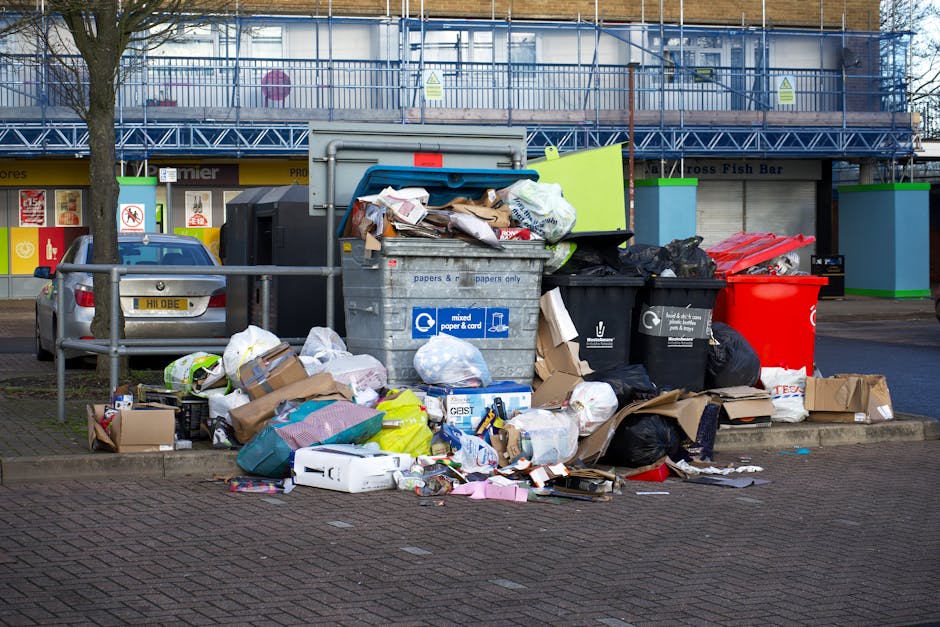
Business waste removal in Mill Hill should be straightforward, discreet and organised around the realities of a working day. We handle routine commercial waste collections for premises that need rubbish taken away without interrupting customers, staff or deliveries. That can include mixed office waste, packaging, broken fixtures, redundant stock, and other non-hazardous material that has accumulated through normal trading. The aim is practical: keep premises clear, keep waste moving, and help businesses arrange disposal in a way that feels manageable rather than disruptive.
Our service is suited to shops, offices, workshops, cafes, professional practices and other commercial premises that need items removed on a planned basis or as a one-off clear-out. Business waste removal is not only about lifting bags; it often involves separating different waste streams, identifying what can be recycled, and choosing the safest way to move heavier or awkward items. If you are comparing options, our pricing and quotes page explains the sort of information that helps shape a quotation, while this homepage gives you a clear overview of the main service.
When you are ready to get a figure together, you can request a quotation with a brief description of the waste and the premises involved. A few details usually make the process simpler: the type of material, approximate volume, whether anything is bulky or heavy, and whether access is straightforward. If your clearance is linked to a wider move, refit or seasonal tidy-up, it is often useful to mention that too, because the removal plan can then be matched to the wider job instead of being treated as an isolated collection.
Commercial waste collections that fit working premises
Business waste builds up in different ways depending on the trade. A retailer may need cardboard, polythene and damaged display items removed after deliveries or stock changes. An office might need paper waste, packaging, redundant furniture and general rubbish cleared during a reset or relocation. We can help with these day-to-day disposal needs by arranging collections that focus on safe loading, sensible sorting and straightforward removal from the premises. The practical benefit is a tidier space without having to manage the lifting and transport yourself.
For premises where waste accumulates in stages, it can be useful to think about the material in groups rather than as one mixed pile. Items that are clean and recyclable may be separated from general rubbish, and heavy or awkward objects may need a different approach to loading. Business waste removal is most effective when the removal plan reflects the actual items on site, not a generic checklist. That is especially true where bags, boxes, broken equipment and loose waste have all been left together in storage, service or rear-yard areas.
What we commonly handle
Typical commercial collections may include bagged rubbish, cardboard, office contents, shop fittings, shelving, unsaleable stock and other non-hazardous items that are ready to leave the premises. In some cases, the waste is small and neat; in others it may be mixed and require more careful loading. Either way, the goal is to remove the material efficiently and keep the process as orderly as possible. If you are also weighing up whether items can be re-used, recycled or sent with general waste, a clear description at the outset helps us advise on the most suitable route.
Office waste and workplace clearances
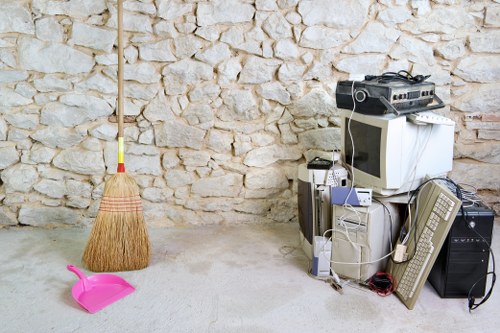
Office waste clearance often involves more than a few bin bags. Workplaces can generate redundant desks, chairs, filing cabinets, monitors, printers, cartons, paper waste and old storage items when teams reorganise or move. We can collect these items as part of an office removal plan that aims to reduce disruption and keep usable space available. For a business, that matters because unused furniture or accumulated paperwork does not just occupy floor area; it also interferes with storage, cleaning and day-to-day access.
If the job includes mixed office contents, it helps to separate the more sensitive or bulky items from ordinary waste. Confidential material may need a different handling approach from standard rubbish, and fragile equipment needs thoughtful loading to avoid damage during removal. Confidential shredding is available as a related service for material that should not go out with general waste. We can then focus the waste removal itself on furniture, paper, packaging and other office items that are ready for collection.
Before a collection, a concise note about access can save time on the day. For example, it is helpful to mention whether the items are in a ground-floor office, upstairs room, shared building or rear service area, and whether there are any restrictions on loading. You do not need to write a long inventory unless the load is complex; a simple summary is usually enough to judge the scale of the work and give a sensible quote. Clear access information is often the difference between a straightforward visit and a job that needs extra planning.
Furniture, fittings and bulky items
Bulky business items often need a removal plan of their own because they do not behave like ordinary waste. Desks, cabinets, reception furniture, shelving and display units may be too large for normal bins and too awkward to move without help. Our furniture disposal service is useful when those items are no longer needed but still have to be taken away in a controlled way. That can apply during office changes, shop refits, closures, stockroom reorganisation or simple end-of-life replacement.
Some businesses prefer to remove furniture in stages, especially when rooms have to stay usable during the day. In those cases, it can be practical to clear a few pieces first and return for the rest once the space has been reorganised. For larger clearances, the collection can be planned around loading order, lifting points and access routes so that the process remains efficient. Furniture disposal supports that approach by giving a focused destination for items that are too substantial for ordinary waste streams but no longer required onsite.
Where furniture is mixed with packaging, office contents or stored stock, it is best to describe the whole group rather than isolating each object. The reason is simple: two jobs that look similar from the outside can require very different loading arrangements. A set of light stackable chairs is not the same as several heavy cabinets or a room full of older equipment. When the load is described accurately, the quotation is more likely to reflect the real work involved.
Shop stock, fixtures and commercial fit-outs

Commercial spaces often need waste removal after a refit, stock change or business rearrangement. That may involve broken display stands, redundant shelving, old point-of-sale units, unwanted packaging, and damaged or unsaleable stock. The removal approach needs to be orderly because these jobs usually involve several different item types in one place. A practical service keeps the site usable while the waste is taken away, rather than leaving the business to sort and transport everything independently.
For businesses that are changing layout or replacing fittings, a clear order of work helps. Large pieces are usually easier to remove once smaller loose items have been gathered, and recyclable materials can often be separated from mixed rubbish before loading begins. If the clearance also includes disposal of older appliances or catering equipment, that can be identified in advance so the right collection method is used. For items such as fridges or similar units, fridge and appliance removal is a useful related page to review alongside the main business waste service.
Making the load easier to assess
The best quotation requests are the ones that describe the waste in a practical way. A short list of the main item groups, the level of access and any time restrictions is usually enough. If there are fragile fittings, awkward corners, narrow corridors or shared entrances, mention them so the collection plan can account for them. This is not about providing a full inventory of every object; it is about giving enough detail to understand the real shape of the job and avoid surprises.
Recycling, sorting and responsible disposal
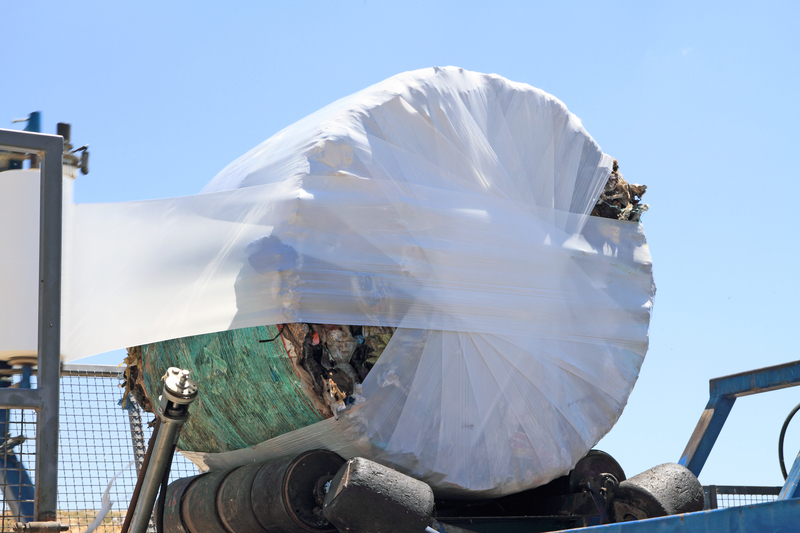
Many commercial clearances contain a mix of materials that should not all be treated the same way. Cardboard, clean plastics, metals, office paper and certain furniture components may be suitable for separate sorting, while general rubbish needs different handling. Where practical, we look for ways to separate items that can be diverted from mixed waste, because that is often the most sensible way to organise a business collection. The result is a tidier site and a more controlled removal process.
Commercial clients often want waste removed in a way that avoids unnecessary handling later on. That is where a properly organised collection matters: it reduces the amount of sorting the business has to do before the load is taken away, and it keeps the site clearer while the job is underway. Our recycling and sustainability page explains the broader approach to handling reusable and recyclable material. On this homepage, the key point is simple: we aim to keep the removal process practical and proportionate to the type of waste involved.
Some loads contain a straightforward mix of recyclables and general rubbish, while others are dominated by one material such as cardboard or old furniture. Either way, it helps to know in advance whether the waste is bagged, boxed, loose, heavy, wet, contaminated or stacked in a storage area. Those details affect loading and disposal decisions, and they also influence how a quotation is framed. If you want the result to be as accurate as possible, describe the waste as it sits now rather than how you would ideally like it to look.
About Mill Hill
Mill Hill is a north-west London district within the London Borough of Barnet, with a character shaped by its position on high ground and by a long pattern of settlement around the historic village core. The area sits above surrounding low-lying land, and that elevated setting has influenced both its views and its development. Mill Hill Broadway forms one of the best-known local centres, while the older village area retains a more traditional street pattern with a distinct parish history. The place-name is associated with a mill that once stood on the hill, and the community developed over time from rural and semi-rural edges into a suburban district with a mix of housing, schools and local commerce.
Household-style clearances for business premises
Some commercial properties do not function like conventional offices or shops, yet they still need waste removed in a businesslike way. Shared houses used as offices, small studios, serviced premises and converted buildings can produce mixed rubbish that feels closer to a domestic clearance than a structured office job. In those cases, the service may involve furniture, bagged waste, storage contents and miscellaneous items that need to be removed without turning the property into a disruption site. A clear description of the rooms involved helps keep the work focused.
For these more varied clearances, it can be helpful to think in terms of zones: what is in the front room, what is in storage, what is in the kitchen or staff area, and what needs to leave the building first. That kind of planning makes it easier to manage access and load order. If the job includes an entire property rather than a single office or room, home clearance may be a relevant page to compare with the commercial service, especially where the contents are mixed and the building layout is less conventional.
Not every removal has to be large to need proper planning. Even a modest amount of clutter can include items that are difficult to carry or separate, and a compact load may still require more work than a few bags suggest. When you request a quotation, a short note about the property type, the rooms involved and the main item groups is usually enough. You do not need to tidy everything before asking for help; the point is to describe what is there so the collection can be organised around it.
Access, timing and practical preparation
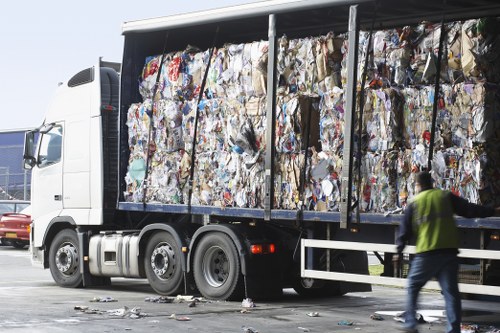
When a business is arranging waste removal, the easiest jobs are the ones where the access details are clear from the start. A ground-floor collection through a rear entrance is very different from a removal that involves stairs, narrow corridors or shared building access. If there are parking constraints, concierge arrangements or loading restrictions, mention them early. That allows the collection to be planned around the real conditions on site rather than around assumptions that may not hold on the day.
It also helps to decide whether the waste is ready to go or still needs sorting into bags, boxes or distinct piles. If the material is already grouped, the collection can often be easier to organise. If it is still spread across storage rooms or work areas, a short description of the main item types is still enough to begin. Preparing a quotation does not mean creating a complicated checklist; it means giving enough useful information for the job to be understood properly. When in doubt, keep the note brief and factual rather than over-explaining.
For larger or more mixed loads, it may be sensible to separate obvious recyclables from general waste before collection day, but only if that is easy to do. There is no need to create extra work just to make the site look neat for the enquiry. The practical goal is to make removal straightforward and safe. If you would like to move ahead, send over the waste details and we can discuss the most suitable collection plan for your premises. For a direct next step, use our contact page to ask for a quotation.